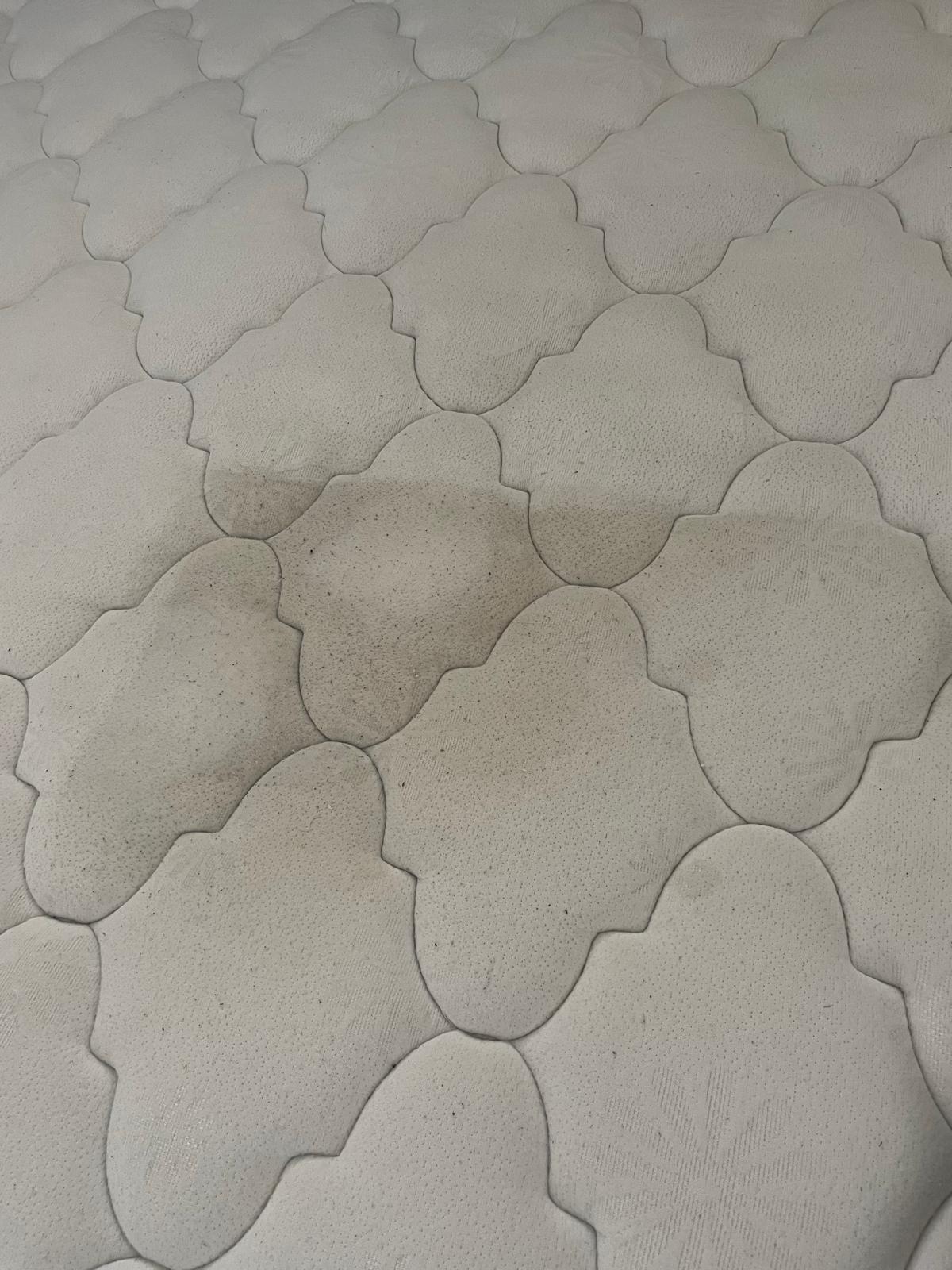
A mattress rarely looks dirty. There's no visible stain telling you it's time for a clean, no obvious sign anything is wrong, so it's easy to assume that if it looks fine, it is fine. The problem is that almost everything that builds up in a mattress happens well below what you can actually see.
What Actually Builds Up In a Mattress
Every night, a mattress absorbs sweat, dead skin cells, and body oils, none of which evaporate away completely. Over months and years, this creates a build up deep in the fibres and foam that no amount of making the bed or airing it out will remove. Dead skin in particular is a food source for dust mites, which thrive inside mattresses in numbers most people would rather not think about.
Why This Matters for Allergies and Sleep Quality
Dust mites themselves aren't the main issue, it's their waste that triggers allergic reactions in a lot of people, including congestion, sneezing, and skin irritation that tend to be worse first thing in the morning. If you or someone in the house wakes up more congested than they go to bed, an unclean mattress is a common and often overlooked contributor.
Vacuuming Only Reaches the Surface
A vacuum can lift loose dust and hair sitting on top of the mattress, but dust mites and the residue they leave behind sit deeper in the fibres and foam layers, well past what suction from a household vacuum can pull out. It helps keep the surface tidy, but it isn't reaching the part of the problem that actually affects allergies and odour.
Sweat and Moisture Build Up Over Time
An adult sweats more overnight than most people realise, and a portion of that moisture soaks into the mattress every single night. Combined over years, it creates the damp, warm conditions dust mites prefer, and can lead to a musty smell setting in even when nothing has ever been spilled on the mattress.
What Professional Mattress Cleaning Actually Does
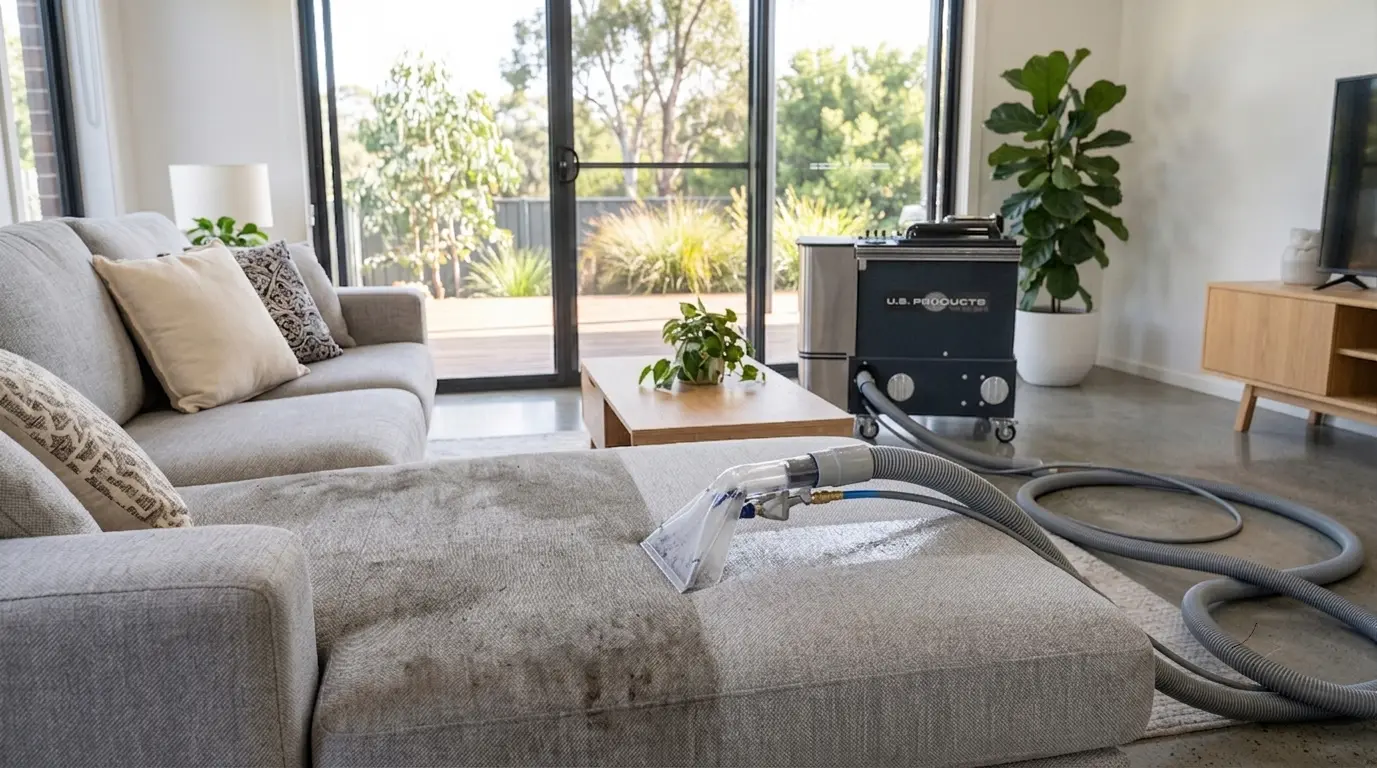
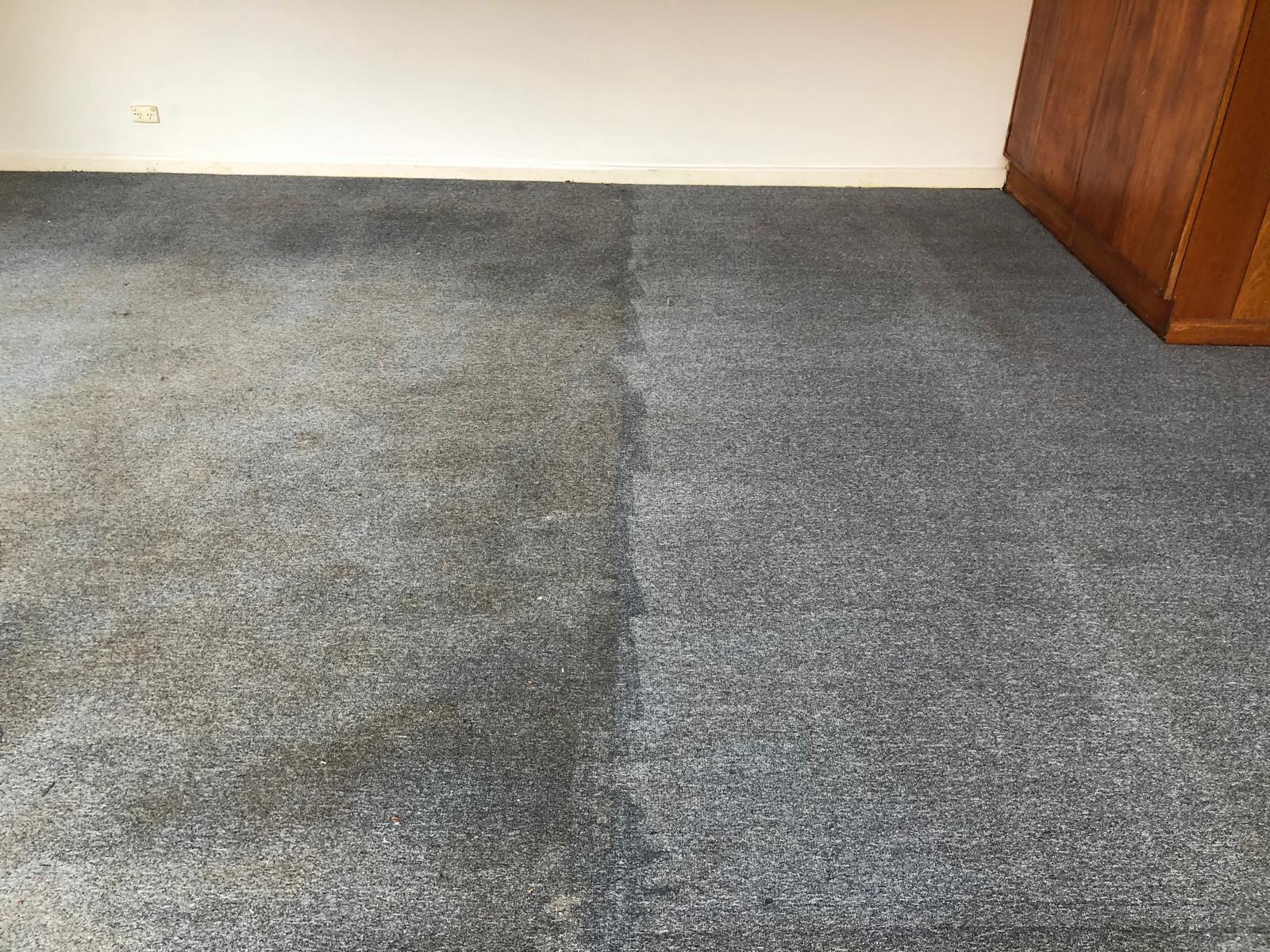
Professional mattress cleaning uses the same hot water extraction principle as carpet and upholstery cleaning, controlled heat and moisture that reaches into the fibres and foam, followed by strong extraction that pulls the water back out along with the residue, sweat, and allergens it lifted. That's the difference between refreshing the surface and actually addressing what's built up underneath.
The same hot water extraction process used across carpet cleaning and upholstery cleaning applies here too, and for households with allergies or young kids, we use eco-friendly cleaning products that still get a genuinely deep clean without strong chemical residue left behind.