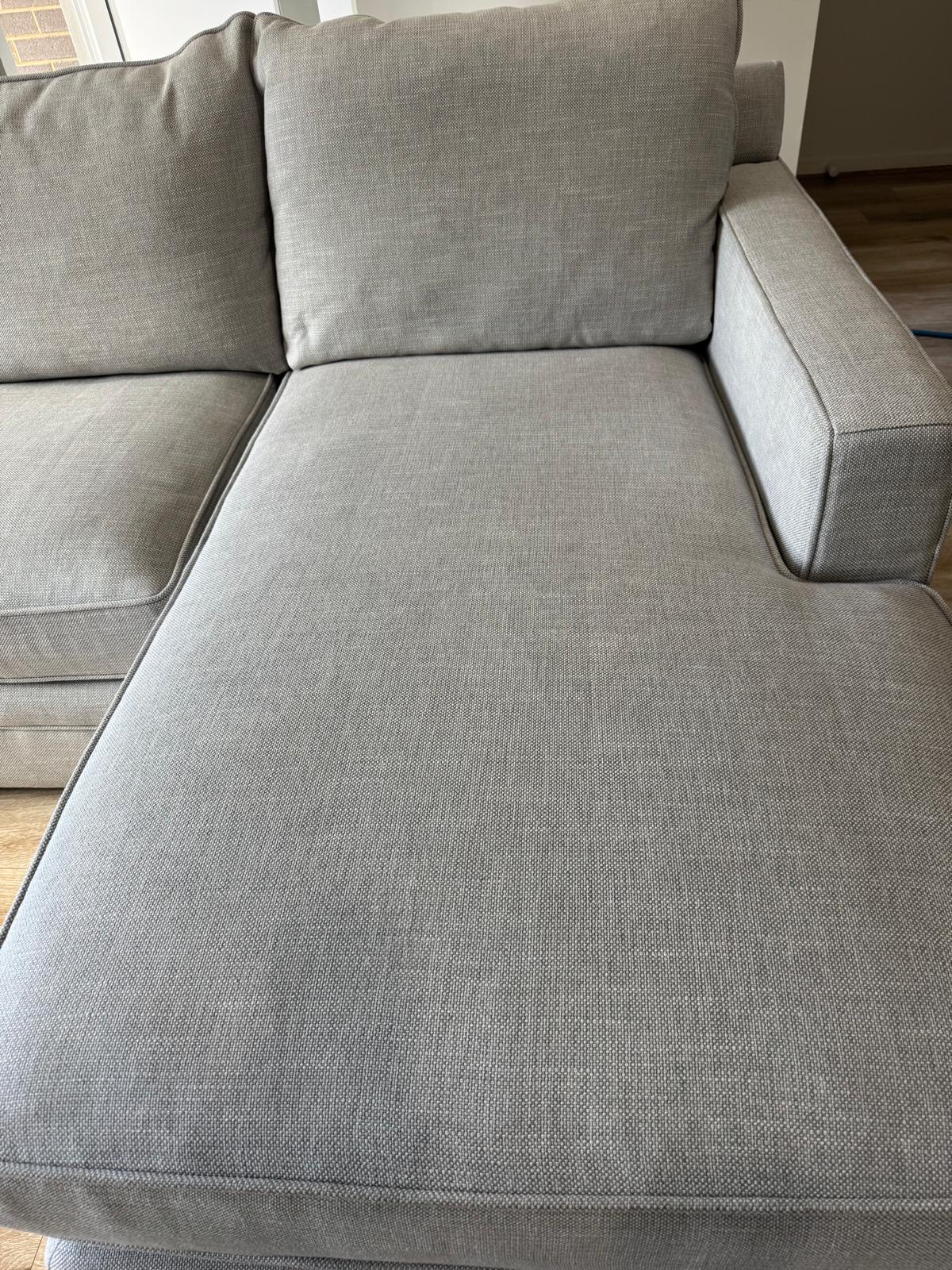
A couch takes more daily wear than almost anything else in the house, meals, pets, kids, and years of sitting in the same spots. When it starts looking tired, the instinct is usually to grab a spray bottle and a cloth and have a go. Most of the time, that's where things start going wrong.
Using the Wrong Method for the Fabric
Not all upholstery can be cleaned the same way. Fabric couches, leather, synthetic blends, and delicate weaves each need a different approach, and using the wrong one can set a stain permanently or damage the material outright. A water based cleaner on a fabric that needs solvent cleaning, for example, can leave a ring that's harder to remove than the original mark.
Professional upholstery cleaning starts with identifying the fabric type before anything touches it, which is the single biggest difference between a safe clean and a guessing game.
Over-Wetting: The Most Common Mistake
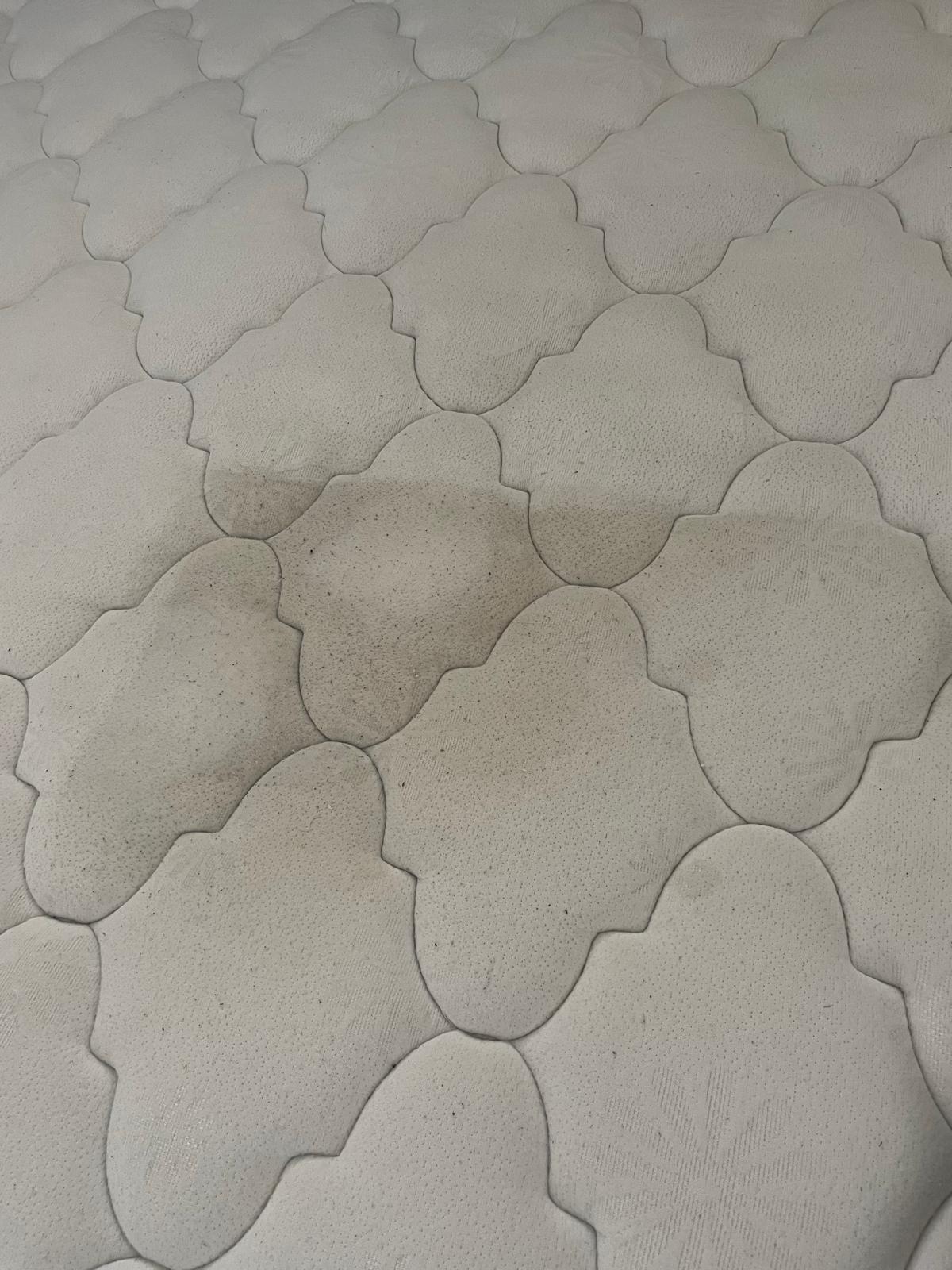
It's tempting to think more product and more water means a deeper clean. With upholstery, the opposite is usually true. Cushions and fabric backing hold onto moisture far longer than carpet does, and if too much water goes in without the equipment to properly extract it, it can seep into the foam or frame underneath.
Why This Leads to Odour and Mould
Trapped moisture inside cushion foam has nowhere to evaporate quickly. Left damp for even a day or two, it can start to develop a musty smell, and in humid conditions, mould. This is one of the most common reasons a DIY clean ends up smelling worse than before it started.
Rubbing Instead of Blotting
Scrubbing a stain often pushes it deeper into the fibres and can damage the weave, especially on delicate fabrics. Blotting, working from the outside of a stain inward, is safer and more effective, but it's slower and easier to give up on halfway through.
What Professional Upholstery Cleaning Does Differently
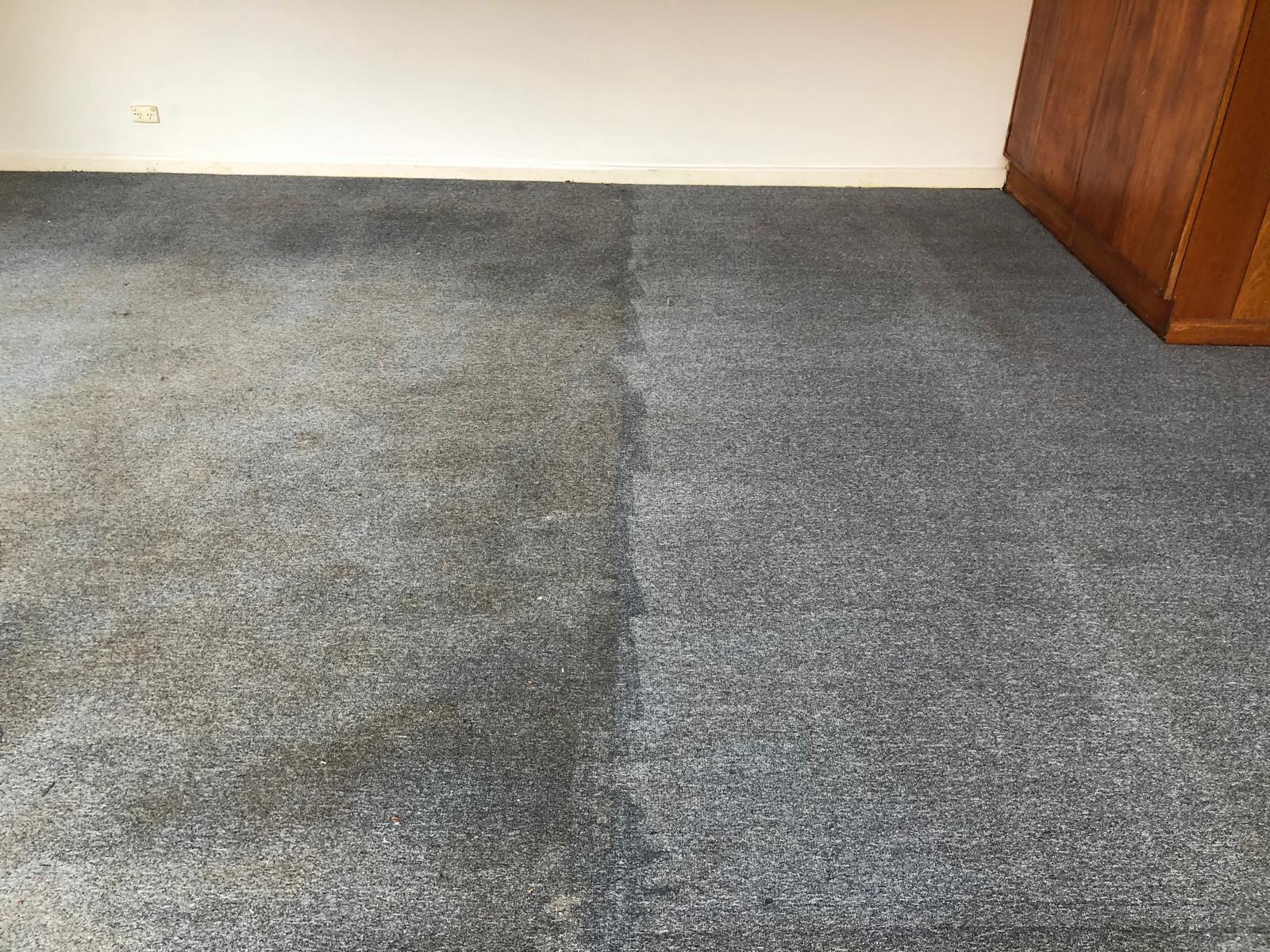
The same hot water extraction principle used in carpet steam cleaning applies here, controlled water temperature, the right amount of moisture for the specific fabric, and strong extraction that pulls both the water and the lifted residue back out, rather than leaving it to soak in. That's what actually gets a couch clean without the after effects of a rushed DIY attempt.
For households with allergies or young kids on the furniture daily, it's worth knowing this doesn't require harsh chemicals either, we use eco-friendly cleaning products that are tough on grime without leaving strong fumes behind.