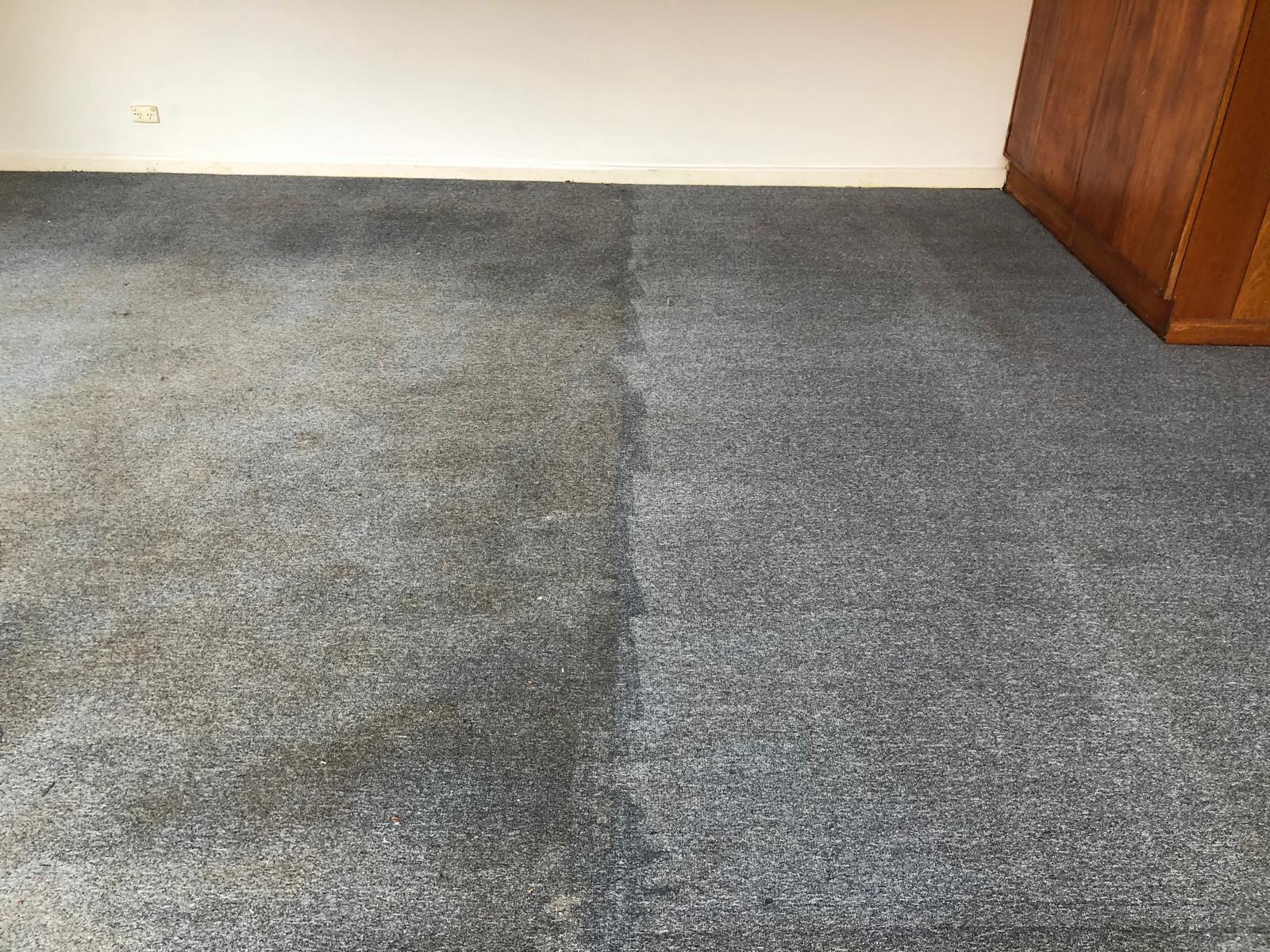
Whether it's a burst pipe, an overflowing appliance, or water finding its way in during a storm, the first hour after you discover water damage matters more than almost any step that follows. What you do, or don't do, in that window can be the difference between a straightforward clean up and a much longer, more expensive one involving mould and structural damage.
Stop the Water Source First
Nothing else matters until the source is under control. If it's a burst pipe or appliance, shut off the water at the mains or the isolation valve if you know where it is. If it's coming from outside during a storm, focus on containing it rather than trying to stop it entirely, towels and buckets at entry points can buy time.
Cut Power to Affected Areas
Water and electricity are a serious safety risk together. If water has reached power outlets, switches, or appliances, switch off power to that area at the switchboard before doing anything else, don't wait until you're standing in it to think about this.
Move Fast on Anything Absorbent
Rugs, loose furniture, cardboard boxes, and paper documents should be moved off wet flooring as soon as it's safe to do so. These materials wick up moisture quickly and can start transferring mould spores or staining onto carpet and flooring if left in place.
What to Leave Alone
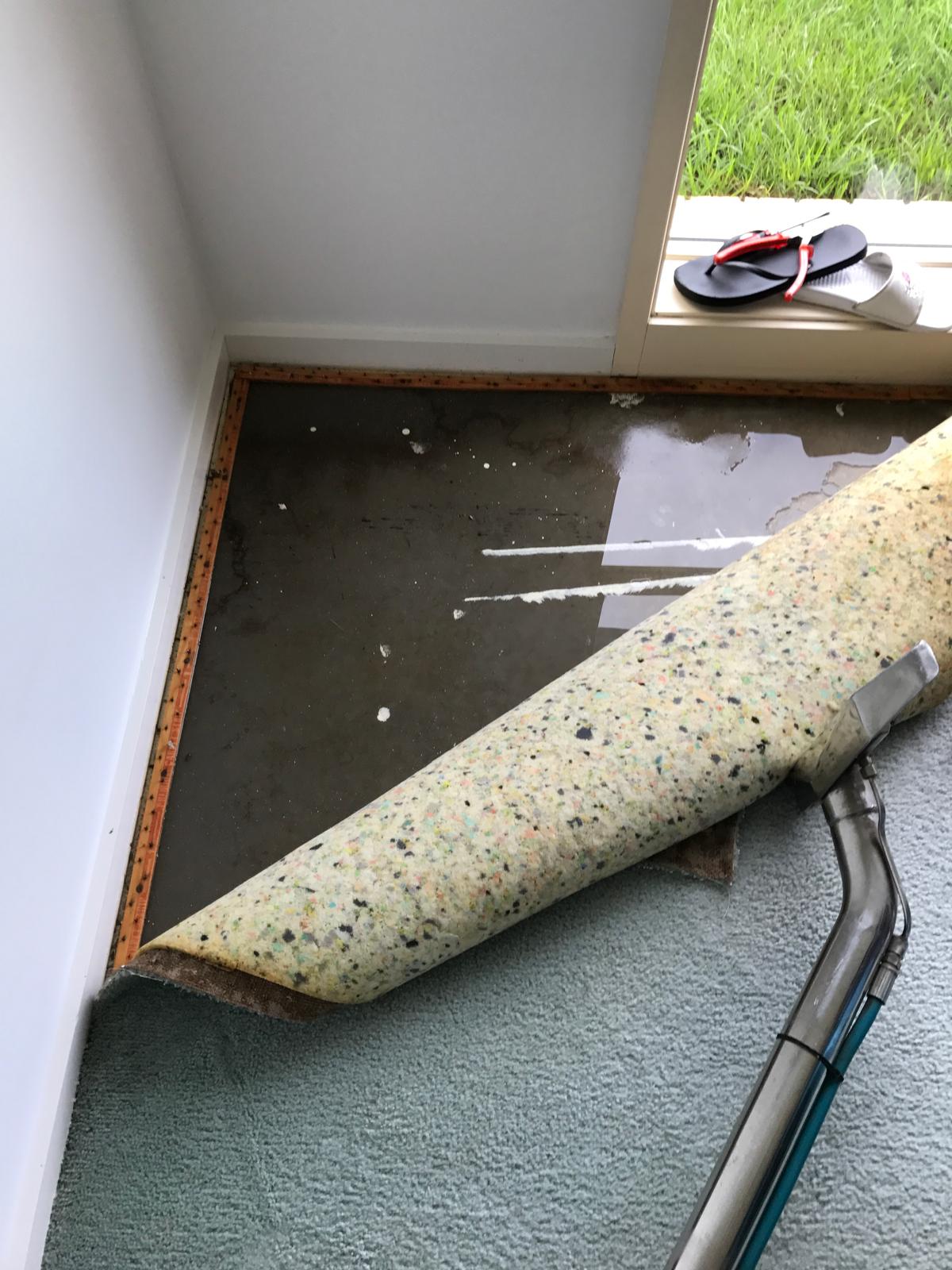
Fitted carpet, underlay, and anything structural should generally be left for a professional water damage restoration assessment rather than pulled up yourself. Removing carpet incorrectly can spread damage further and make it harder to determine how deep the water actually travelled.
Get Air Moving Immediately
Open windows if the weather allows, and get fans or air movement going on the affected area straight away. Standing water and trapped humidity are what allow mould to start developing, often within 24 to 48 hours, so early airflow genuinely buys time before professional drying equipment arrives.
Document Before You Clean Up
Photos and a few notes on when the damage was noticed and what caused it are worth taking before you start moving things or mopping up, this is the kind of detail insurers typically ask for, and it's much harder to reconstruct later.
When It's More Than Water Damage
If the source was a flood, storm water, or anything that may have introduced contaminants rather than clean water, the handling is different again. Flood damage cleaning involves additional sanitising steps that standard water damage response doesn't need.
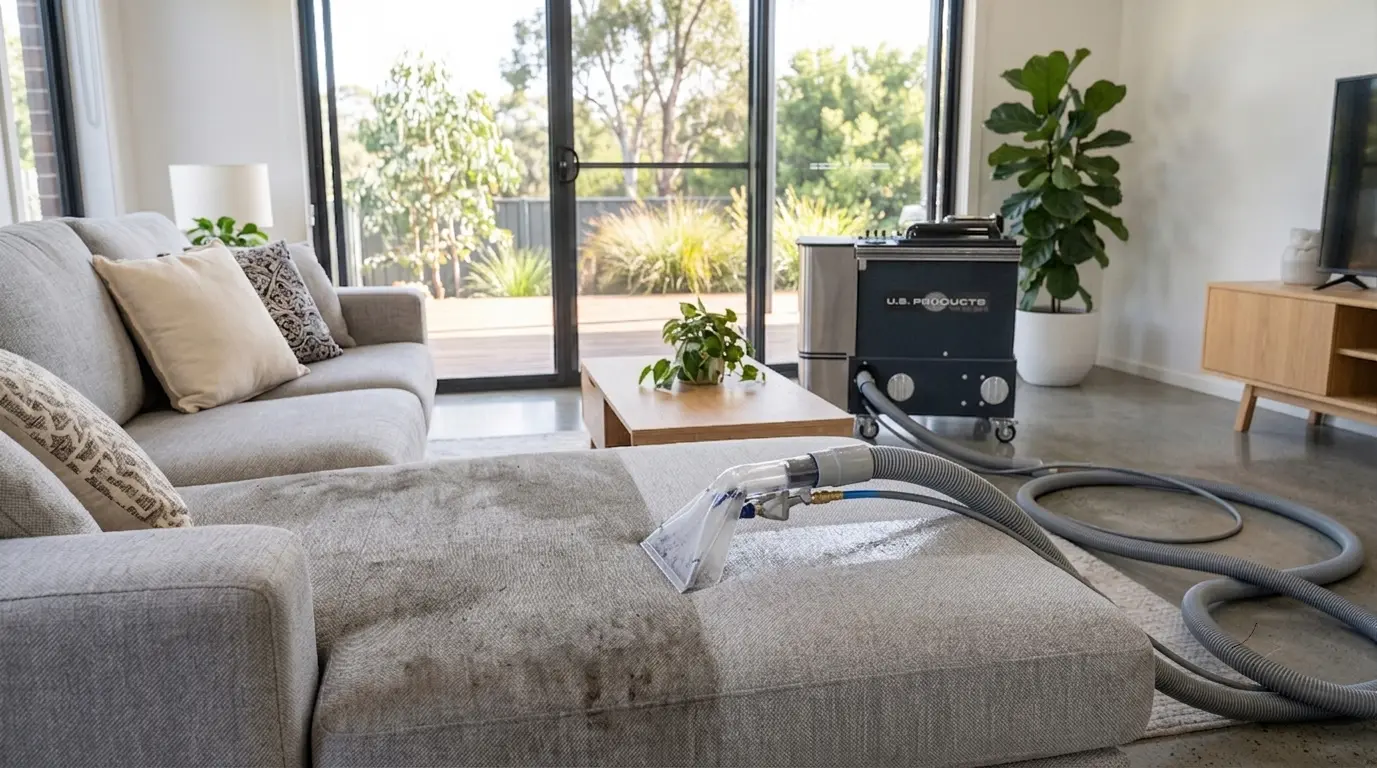
Whatever the cause, the sooner professional drying and extraction equipment gets involved, the less likely the damage spreads into something structural or long term.