Rugs often get treated the same as carpet, vacuumed on a schedule and left alone otherwise. The truth is rugs vary a lot more than wall to wall carpet does, and the right way to clean one depends heavily on what it's actually made of.
Why Rug Material Changes Everything
A synthetic, machine made rug reacts very differently to water, heat, and cleaning solution than a wool or natural fibre rug does. Synthetic fibres are generally more forgiving. Natural fibres like wool, jute, or silk can shrink, bleed colour, or lose shape if the wrong method is used, which is why a one size fits all approach to rug cleaning is risky.
When Home Cleaning Is Fine
Regular vacuuming and the occasional light spot clean is enough for most synthetic, low pile rugs dealing with everyday dust and light soiling. If a rug is machine made from synthetic fibres and the spill is fresh, blotting it carefully at home usually won't cause any harm.
When a Rug Needs a Specialist
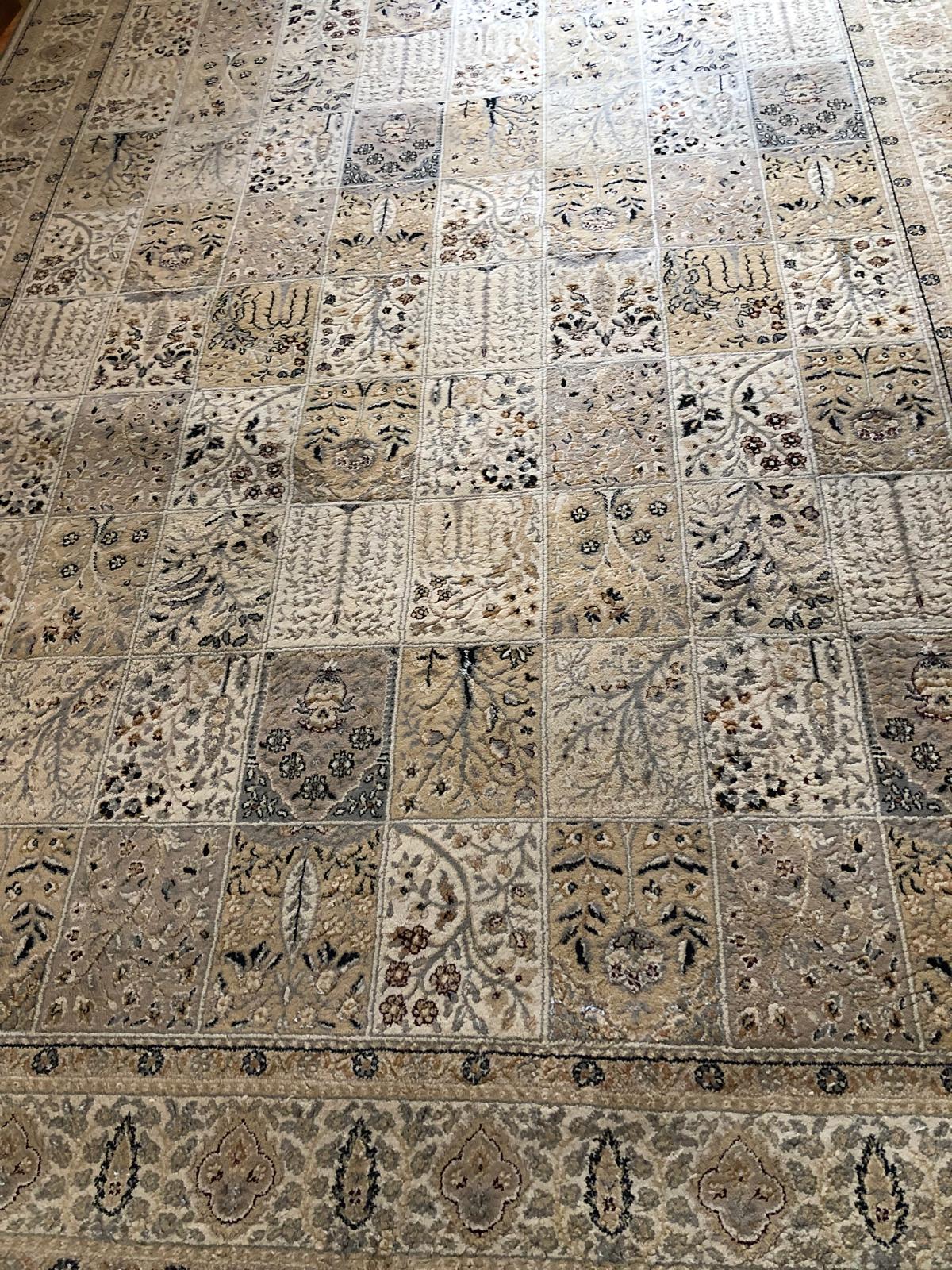
Wool, silk, and natural fibre rugs, along with anything antique, handmade, or with fringing, call for a different approach. These materials are far more sensitive to water temperature, agitation, and drying time, and a mistake made during cleaning is often permanent rather than something that fades with a second wash.
The Risk of Getting It Wrong at Home
Colour bleeding between dyed sections, shrinkage from excess heat, and mould developing from a rug that didn't dry fully are the most common outcomes of cleaning a delicate rug the wrong way. Fringes in particular are easy to damage with a household vacuum or scrubbing brush.
What Professional Rug Cleaning Involves
A professional clean starts with identifying the fibre type before any cleaning method is chosen, since wool, silk, and synthetic rugs all call for different solutions and different amounts of heat. From there, the same hot water extraction principles used on carpet are adapted to suit the rug, followed by controlled drying so the fibres and backing aren't left damp for longer than they should be.